Understand your requirement
Review identifier and data rules for RFID-triggered replenishment signals, substrate, label or tag behaviour, and production speed and read-point conditions using your samples, drawings and production observations.
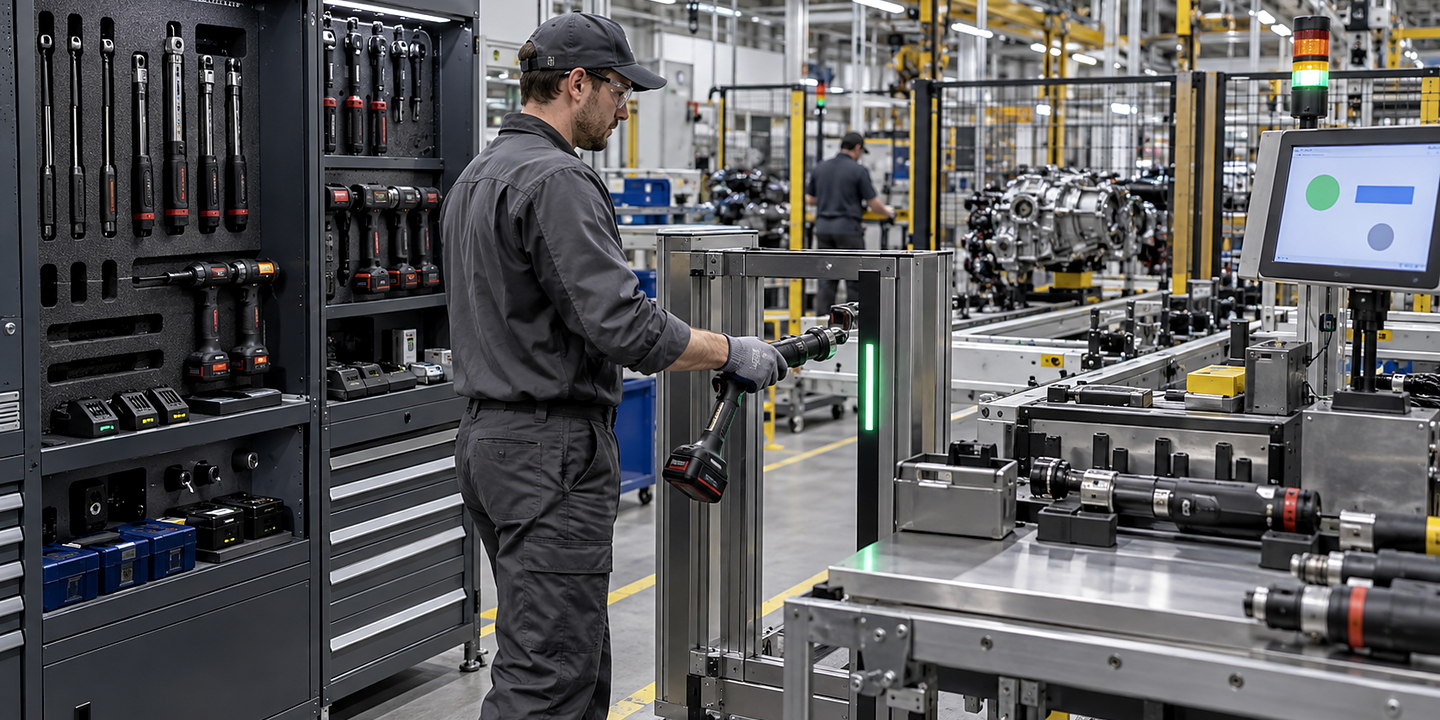
Compare practical options for RFID-triggered replenishment signals, including what each route needs, where it fits and what to check before you decide.
The right solution for RFID kanban systems is the simplest system that reliably handles your stated duty, line connections and expected exceptions.
Plan RFID kanban systems around your identifiers, substrates, production events, system interfaces, exceptions and verification records. Discuss a practical data-flow approach with Oxford Traceability.
Plan RFID kanban systems around your identifiers, substrates, production events, system interfaces, exceptions and verification records. Discuss a practical data-flow approach with Oxford Traceability. When you compare solutions, check how each option handles identifier and data rules for RFID-triggered replenishment signals, substrate, label or tag behaviour and your surrounding line.
Discuss your application

Review identifier and data rules for RFID-triggered replenishment signals, substrate, label or tag behaviour, and production speed and read-point conditions using your samples, drawings and production observations.
Run focused trials for RFID kanban systems so you can see why an option is recommended or ruled out.
Resolve line, business-system and network interfaces, exception, rework and duplicate handling, controls, safety, operator access and maintenance before site work.
Check verification, retention and reconciliation evidence in normal, difficult and fault conditions, then agree training and support for your team.
Typical support: requirements definition, marking or identification trials, controls and data integration, verification and documented acceptance.
| Approach | Often suitable when | Watch for |
|---|---|---|
| RFID Kanban Systems | You need a dedicated solution for a clearly defined duty, product or part range and line interface. | Read performance and unwanted reads must be proved in the actual material, orientation and radio environment. |
| Label-Based Identification where Direct Marking Is Unsuitable | Your volumes, product mix or operator judgement make a simpler route more practical. | Check ergonomics, consistency and safe access before choosing the lower-complexity option. |
| Direct-Part Marking where Lifecycle and Substrate Justify It | Your surrounding process is stable enough for a broader automated solution to add value. | Allow for line connections, fault recovery and maintenance as well as the headline equipment. |