Identifier and Data Rules for RFID-Triggered Replenishment Signals
Define the physical bin identity, current part, destination and quantity rule. State which empty-bin action authorises a request and which event confirms fulfilment.
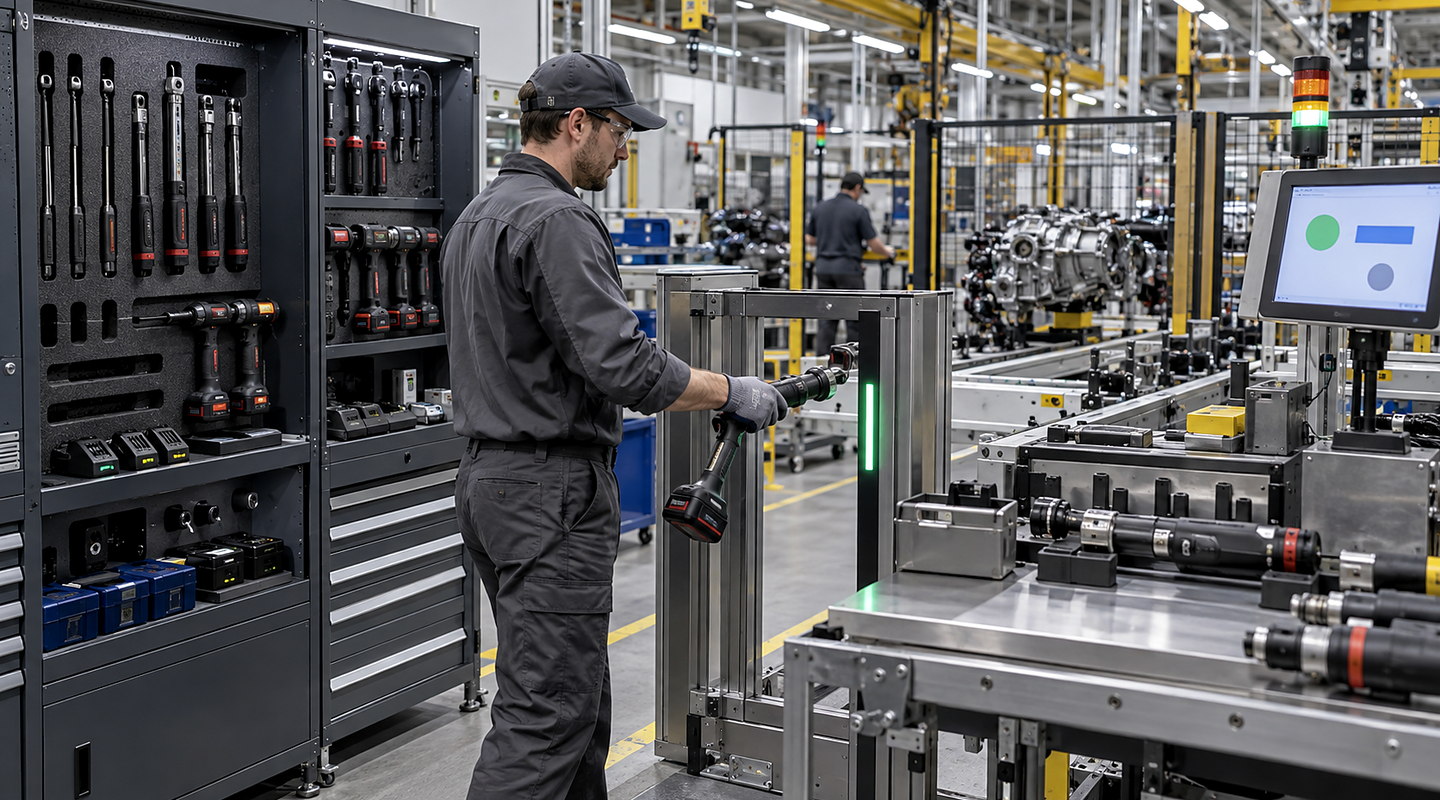
Plan line-side RFID replenishment with real full and empty bins, current part/location associations, duplicate-read controls and confirmed fulfilment.
For line-side RFID replenishment, associate each bin with its current part, destination and agreed quantity, then define the physical action that requests supply. Test real full, partly used, empty and returned containers, including nearby stock, repeated observations and changes in bin assignment.
Bring the representative bin and event brief. Follow the complete request-to-fulfilment sequence so a captured identifier is not confused with an accepted request or completed delivery.
Plan RFID kanban systems around your identifiers, substrates, production events, system interfaces, exceptions and verification records. Discuss a practical data-flow approach with Oxford Traceability. For production identification using RFID-triggered replenishment signals, the deciding details include identifier and data rules for RFID-triggered replenishment signals, production speed and read-point conditions and verification, retention and reconciliation evidence.
Discuss your application
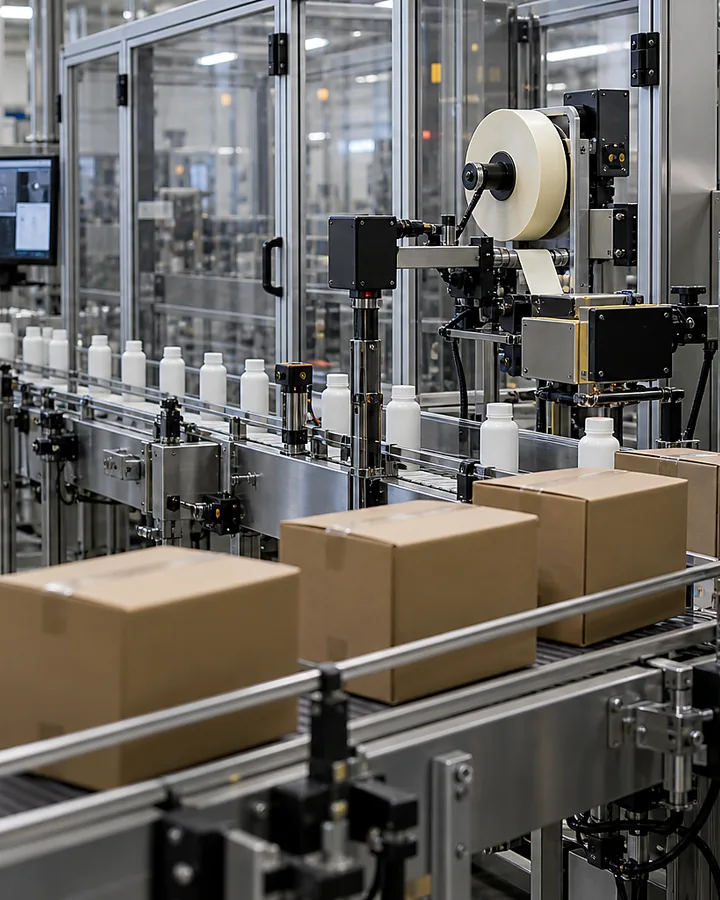
Define the physical bin identity, current part, destination and quantity rule. State which empty-bin action authorises a request and which event confirms fulfilment.
Supply actual full, partly used and empty containers in their normal material and tag positions. Include damaged or replacement identifiers and nearby tagged bins in the trial.
Map the intended read point, presentation and passing traffic. Distinguish repeated visibility of one empty bin from another legitimate replenishment cycle.
Name the authoritative bin mapping and receiving-system request fields. Agree acknowledgement, rejection, pending-state visibility and the event that confirms delivery.
Include unwanted reads, a bin reassigned with an open request and a manual replenishment during interruption. Define who resolves each case and how delayed events are reconciled.
Run known physical bin cycles with expected requests and deliveries. Compare observations, accepted requests and fulfilled cycles separately, retaining the configuration and unresolved discrepancies.
Include replenishment, normal production, planned change, short stops, fault recovery, cleaning and maintenance for production identification using RFID-triggered replenishment signals. A fast automatic step can still leave your team with a slow or awkward overall process.
Run the agreed product or part mix for production identification using RFID-triggered replenishment signals at your intended operating pattern.
Include credible extremes for identifier and data rules for RFID-triggered replenishment signals and substrate, label or tag behaviour.
Show how the proposed solution detects a problem affecting production identification using RFID-triggered replenishment signals, responds safely, informs your team and restarts under control.
Compare with Data Integration and Exception Handling for RFID-Triggered Replenishment Signals if that operating pattern is closer to your application.